

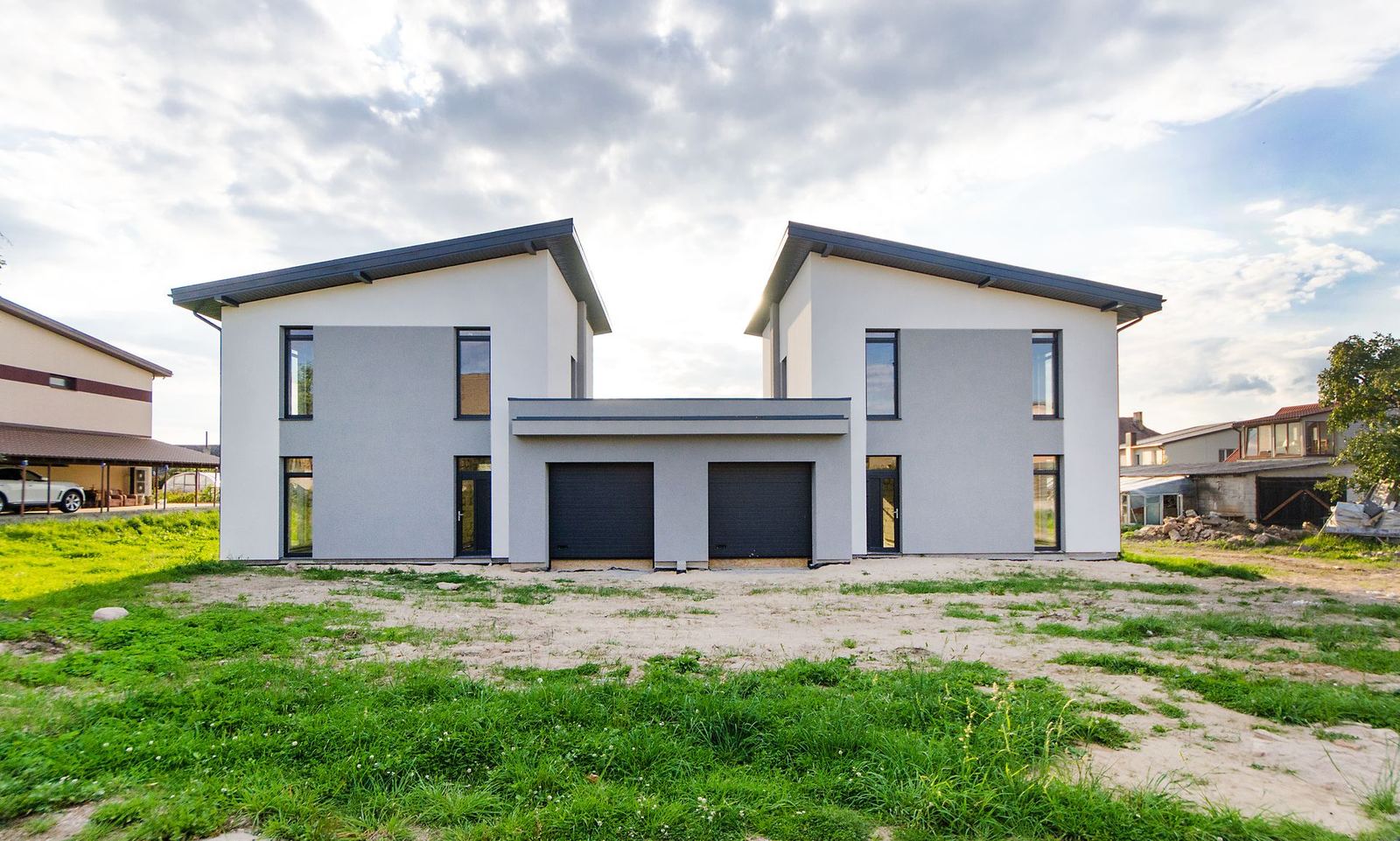
A comparison of the two building systems in time, price, earthquakes, insulation and flexibility.
The question most often asked by those considering building a home is: prefabricated or reinforced concrete? Both systems can be safe and comfortable; the difference shows up in cost, time, flexibility and financing. It is useful to compare these headings before deciding.
Time
A 120 m² reinforced concrete house is completed in an average of 8 – 12 months; formwork, rebar, concrete and curing times depend on weather. In a prefabricated home the structure and walls are prepared in the factory; foundation preparation and installation are done on site. A home of the same size is usually delivered turnkey in 10 – 16 weeks.
Cost
In reinforced concrete construction the total cost varies with materials, labour and time, and usually rises as delivery slips. In a prefabricated building the price is fixed because production is controlled and dimensions are known beforehand. In 2026 conditions a 90 m² prefabricated home costs about 1.9 million TRY + VAT, while a reinforced concrete home of similar quality may be in the range of 2.5 – 3.2 million TRY; but land, permits and ground conditions change the result.
Durability and earthquakes
Light steel prefabricated buildings weigh about one sixth of reinforced concrete; since seismic forces are proportional to building weight, this is a significant advantage. When connection details and structural calculations are done correctly, steel can absorb energy with its ductile behaviour. In reinforced concrete, correct reinforcement and concrete quality are decisive.
Thermal and acoustic insulation
Modern prefabricated homes use 100 – 150 mm rock wool insulation and a ventilated facade system; energy performance can exceed reinforced concrete. Double plasterboard and acoustic infill are recommended for sound insulation.
Flexibility and value
Prefabricated buildings can be dismantled and moved, and enlarged by adding rooms. Reinforced concrete, however, is tied to its plot. In market perception the value of prefabricated homes depends on quality and permit status; a permitted building with an occupancy certificate can be financed by banks.
This article is general information; the right solution for you is determined by land, budget and zoning status. You can see your preliminary cost with our price calculator.
Which one when?
If fast delivery, a fixed budget and portability are your priority, prefabricated is the choice; for multi-storey buildings carrying heavy loads or requiring special architecture, reinforced concrete is more suitable. For medium-sized homes, garden houses, holiday homes, offices and tourism buildings, prefabricated systems are today often more advantageous. Before deciding, get written, scope-matched quotes for both systems and make sure foundation, permit and transport items are included in the comparison.
Financing and permits
Some banks offer mortgages for permitted prefabricated buildings with an occupancy certificate. Loan terms differ by bank; appraisal value, building type and ground information matter in the assessment.